 English
 中文簡體
中文簡體The impact of disposable tableware materials on taste
Disposable tableware is mainly made of plastic (polypropylene, polystyrene, etc.), paper, bamboo, PLA (polylactic acid) and other materials. The chemical composition and surface properties of different materials may release trace substances when they come into contact with food, affecting the taste of the food itself.
Plastic disposable tableware may release a small amount of monomers or plasticizers in a high temperature or oil-rich environment. These volatile organic compounds often have odors, covering up or changing the original flavor of the food. Especially low-quality plastic tableware is more likely to have this phenomenon due to substandard production processes.
Paper and bamboo tableware are usually treated with oil-proof and waterproof coatings. If some coating materials contain chemical additives, they may penetrate into the surface of food under the action of hot food or oil, producing a slight odor. In addition, the natural aroma of bamboo and wood itself may also have a slight effect on the flavor of food, although such effects are usually regarded as "natural gas".
PLA material is a biodegradable plastic, and the material is relatively natural, so in theory it has little effect on the taste of food. However, under high temperature conditions, PLA has insufficient thermal stability and may slightly degrade, releasing lactic acid and other ingredients with a sour taste, which in turn affects the taste.
The impact of physical properties of disposable tableware on the taste of food
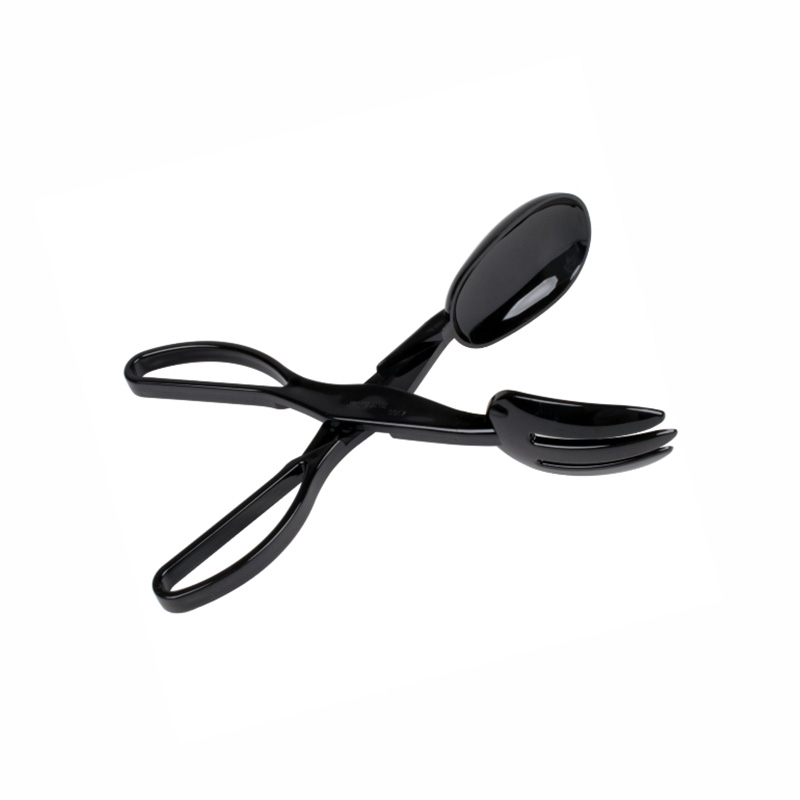
The surface smoothness and structural hardness of tableware also have an indirect impact on the taste perception of food. Plastic tableware has a smooth surface and a hard texture. It can better maintain the original shape of food during use, reduce breakage or deformation, and ensure the consistency of taste.
In contrast, paper or bamboo tableware has a rougher texture and may produce mechanical friction with food during use, causing slight damage to the surface of the food, thereby affecting the delicateness of the taste. In addition, when paper tableware comes into contact with wet or greasy food, it is easy to absorb water and soften, deform or even crack, affecting the use experience and indirectly affecting the taste of food.
The hardness and elasticity of disposable tableware also affect the chewing experience. For example, plastic forks and spoons have a higher hardness and are smoother to use; while paper or wooden tableware has a lower hardness and feels more "hard" or "loose" when chewing. These differences will affect the overall taste evaluation.
Impact in high temperature environment
The taste of disposable tableware changes particularly significantly when it is heated or used to hold hot food. When plastic tableware is used in a microwave oven or hot soup, the material may soften or even melt slightly, and the released chemicals may enter the food, causing abnormal taste.
Although paper tableware has relatively good heat resistance, some coated paper tableware decomposes the coating at high temperatures, which may produce odors and even a small amount of harmful substances. Bamboo and wooden tableware tend to release natural wood fragrance when exposed to high temperatures, which may be a plus for some foods, but may interfere with other dishes with more delicate flavors.
In addition, PLA material has insufficient thermal stability when the temperature exceeds 60 degrees Celsius, and it is easy to undergo physical and chemical changes, resulting in slight odor or taste changes in food. In such cases, consumers need to pay attention to the temperature limit for the use of tableware.
Sensitivity of food type to the taste of disposable tableware
Different types of food have different sensitivities to the taste that disposable tableware may bring. Foods with high fat content (such as fried chicken and French fries) are more likely to react with the ingredients in plastic tableware, resulting in increased greasiness or odor.
After acidic foods (such as lemon juice and vinegar condiments) react with certain plastic materials, they may accelerate the degradation of materials, release trace substances, and change the taste and flavor of food. Cold food is relatively less affected, but the smell of the tableware itself may still be transferred to the food through contact.
Sweet foods are more sensitive to taste changes, and weak odors will be amplified, affecting the overall taste experience. Therefore, it is particularly important to choose disposable tableware materials suitable for desserts.