 English
 中文簡體
中文簡體Heat deformation temperature limit
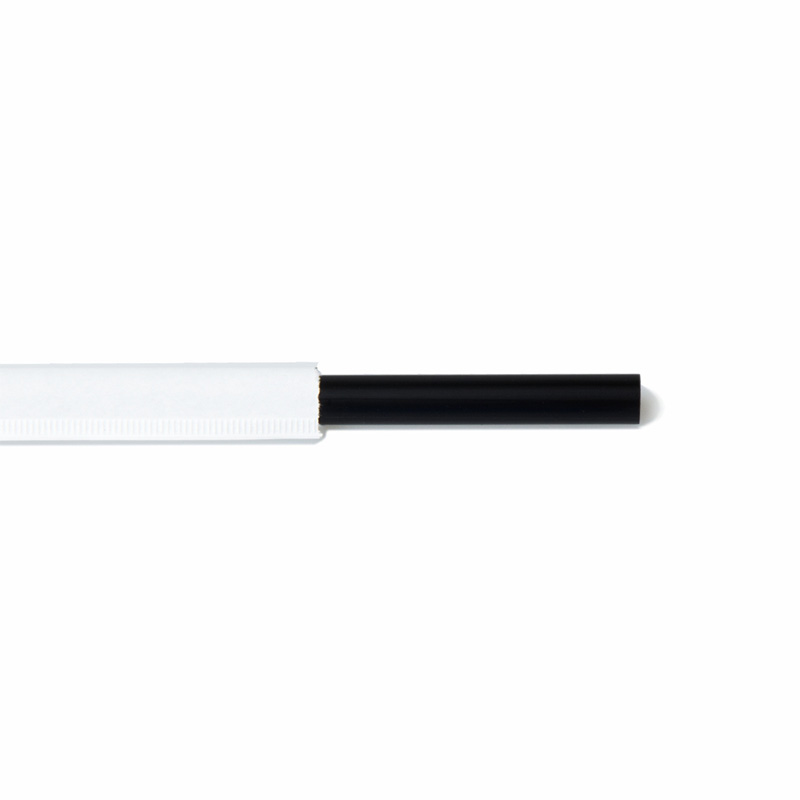
The heat deformation temperature of PLA materials is usually between 55℃ and 60℃. Beyond this temperature range, the polymer segments in the PLA structure will relax, and the straws are prone to softening, deformation, and loss of support. In practical applications, when PLA straws are used in hot drinks, such as coffee, milk tea, and other liquids with a temperature above 60℃, they are very likely to bend or collapse in a short time, seriously affecting the drinking experience and product stability.
In contrast, the heat deformation temperature of traditional PP or PS straws can reach above 90℃, and they are more adaptable. Therefore, PLA straws have obvious temperature adaptability limitations in application scenarios, and are usually recommended for use in cold drinks or room temperature beverage environments.
Crystallinity and thermal stability
PLA is a thermoplastic polyester material, and its thermal properties are closely related to crystallinity. The heat deformation temperature of amorphous PLA is low, while some PLAs that have increased their crystallinity through physical modification or heat treatment processes have slightly improved thermal stability and can maintain their basic structure unchanged at around 65℃. However, even so, there is still a risk of physical performance degradation in long-term contact with high temperature environments.
Although the increase in crystallinity improves heat resistance to a certain extent, it may also lead to a decrease in the toughness of the material and affect the bending performance. Therefore, a balance needs to be sought in formula design and process control between improving thermal stability and maintaining flexibility.
Risk of degradation at high temperature
PLA is prone to thermal degradation in a high temperature environment, which is mainly manifested as molecular chain breakage, resulting in a decrease in molecular weight, which in turn affects mechanical properties. High temperature accelerates hydrolysis and thermal oxidation reactions, especially in the presence of moisture and oxygen, the PLA structure is more easily decomposed, which is manifested as reduced straw strength, brittle surface and even discoloration.If the manufacturing and transportation processes are not properly controlled and exposed to high temperature environments for a long time, such as high temperature periods in truck compartments or warehouses in summer, PLA straws will age prematurely. Finished straws may show problems such as breakage and brittle cracking when they are finally used, affecting brand reputation and consumer experience.
Brittle behavior in low temperature environments
PLA exhibits poor toughness in low temperature environments, and its glass transition temperature is about 55°C. When the ambient temperature is below 0℃, the molecular movement of the material is restricted, and PLA straws are prone to brittle cracking, especially when squeezed or hit. In winter outdoor use, cold chain transportation and other scenarios, special attention should be paid to whether the mechanical properties of the straws at low temperatures meet the requirements.
Indirect effect of temperature on biodegradability
The biodegradation of PLA mainly depends on the industrial composting environment with high temperature, high humidity and microbial action. At room temperature, the degradation process is extremely slow. However, under high-temperature composting conditions (such as above 58℃), the ester bonds in the PLA structure are more easily hydrolyzed, thereby accelerating the degradation process.
This feature makes PLA have good degradability under controlled environments, but it also brings potential transportation and storage risks. If the storage temperature is too high without meeting the industrial composting standards, PLA may experience unplanned aging or premature degradation, affecting the service life of the final product.
Usage and storage recommendations
When using PLA straws, it is recommended to avoid direct contact with high-temperature liquids. The product packaging should clearly indicate "the recommended use temperature is not higher than 50℃" to prevent consumers from misusing it and causing a poor experience.
Storage should be carried out in a cool and dry environment, away from direct sunlight and heat sources. It is recommended to keep the warehouse temperature between 15℃ and 30℃, and the relative humidity below 60%. During transportation, long-term high temperature exposure should be avoided, especially in the hot summer period or long-distance transportation. Logistics solutions with insulation or temperature control conditions should be adopted.