 English
 中文簡(jiǎn)體
Introduction
Whether you're planning a casual backyard barbecue, an elegant wedding reception, or a large-scale corporate event, disposable serving utensils are a convenient and practical solution for food service. Designed for single-use, these utensils eliminate the hassle of washing up, reduce cleanup time, and are available in a wide variety of materials, styles, and sizes to suit every occasion.
Why Choose Disposable Over Reusable?
While reusable utensils may seem like the more sustainable choice at first glance, disposable options offer clear advantages in many scenarios. They are lightweight, easy to transport, and ideal for events where logistics or hygiene concerns make reusables impractical. When chosen thoughtfully, disposable utensils can also support eco-conscious goals—especially with the increasing availability of compostable, biodegradable, and eco-friendly alternatives.
Growing Demand and Popularity
The demand for disposable serving utensils has surged in recent years, driven by trends in outdoor entertaining, food delivery, and sustainability. Businesses, caterers, and event planners alike are seeking options that are both cost-effective and aligned with environmental values. As a result, the market now offers everything from basic plastic serving utensils to premium bamboo and plant-based options that look elegant while keeping your carbon footprint low.
In this guide, we’ll walk you through the different types of disposable serving utensils, compare materials, highlight eco-friendly choices, and help you choose the best options for your next event.
Types of Disposable Serving Utensils
When selecting disposable serving utensils, it’s essential to understand the different materials available, as each type offers its own set of benefits and drawbacks. From traditional plastic to biodegradable plant-based options, here's a breakdown of the most common types:
Plastic Serving Utensils
Plastic serving utensils are the most widely used option due to their affordability and durability. They're often made from materials like polystyrene or polypropylene, both of which offer lightweight strength and resistance to cracking or breaking.
Pros:
Inexpensive and widely available
Durable and resistant to moisture
Available in clear, black, white, or decorative finishes
Cons:
Not biodegradable
Typically not recyclable after food use
Can look less refined compared to other materials
Common types of plastic used:
Polystyrene (PS): Rigid and economical, but brittle under stress
Polypropylene (PP): More flexible and heat-resistant, better for hot foods
Compostable Serving Utensils
Compostable serving utensils are designed to break down in industrial composting facilities, leaving behind no toxic residue. They're often made from renewable materials like PLA (polylactic acid) or CPLA (crystallized PLA).
Pros:
Eco-friendly and made from renewable resources
Industrially compostable
Often heat-resistant and stylish
Cons:
Requires proper composting conditions
Typically more expensive than plastic
Not suitable for home composting in most cases
Common materials:
PLA (Polylactic Acid): Derived from cornstarch; suitable for cold foods
CPLA: A crystallized form of PLA that can handle higher temperatures
Biodegradable Serving Utensils
Biodegradable utensils naturally decompose over time, depending on environmental conditions. These are often made from plant-based fibers, paper, or composite materials that do not require industrial composting.
Pros:
Break down more easily than plastics
Suitable for both composting and landfill disposal
Often made from renewable materials
Cons:
May take time to decompose, depending on the environment
Can be less durable with wet or hot foods
More costly than plastic
Common materials:
Paper composites
Plant starch blends
Palm leaf or areca nut sheaths
Wooden Serving Utensils
Wooden utensils, especially those made from bamboo or birch, are a stylish and sustainable option that aligns well with eco-friendly event themes. They're sturdy, naturally biodegradable, and can elevate the presentation of any food spread.
Pros:
Naturally compostable and biodegradable
Elegant and rustic appearance
No plastic or chemicals
Cons:
Higher cost than plastic
May splinter or dry out if not properly finished
Limited design options compared to molded plastics
Popular wood types:
Bamboo: Fast-growing and highly renewable
Birch wood: Smooth and light-colored, ideal for food service
| Type | Materials | Pros | Cons |
| Plastic Serving Utensils | Polystyrene, Polypropylene | Affordable | Not biodegradable |
| Durable | Limited recyclability | ||
| Widely available | Less eco-friendly | ||
| Heat-resistant (PP) | |||
| Compostable Utensils | PLA, CPLA (plant-based plastics) | Eco-friendly | Not home-compostable |
| Compostable in industrial facilities | Higher cost | ||
| Sleek look | Requires specific disposal | ||
| Biodegradable Utensils | Plant fibers, paper, starch blends | Breaks down naturally | Varies in durability |
| Made from renewable materials | Not always suitable for hot/wet foods | ||
| Wooden Utensils | Bamboo, Birch wood | 100% natural and compostable | May splinter |
| Rustic, upscale appearance | Pricier | ||
| Limited design variety |
Common Utensil Types
Disposable serving utensils come in a wide range of shapes and sizes, each designed for specific tasks. Whether you're hosting a buffet, serving salads, or dishing out desserts, choosing the right type of utensil helps ensure smooth service and a pleasant dining experience.
Serving Spoons
Serving spoons are the most versatile of all disposable utensils. They’re perfect for scooping, portioning, and serving everything from casseroles to fruit salads.
Sizes: Available in small (for sauces or side dishes) to large (for main dishes or buffet service)
Features: Some include slotted options for draining liquids
Materials: Found in plastic, compostable PLA, wood, and bamboo
Serving Forks
Serving forks are ideal for lifting and transferring solid foods like meats, pasta, or roasted vegetables.
Sizes: Vary from petite (for cheese platters or appetizers) to full-size (for carving stations)
Uses: Great for gripping and separating food without squashing it
Materials: Commonly available in plastic, CPLA, or bamboo
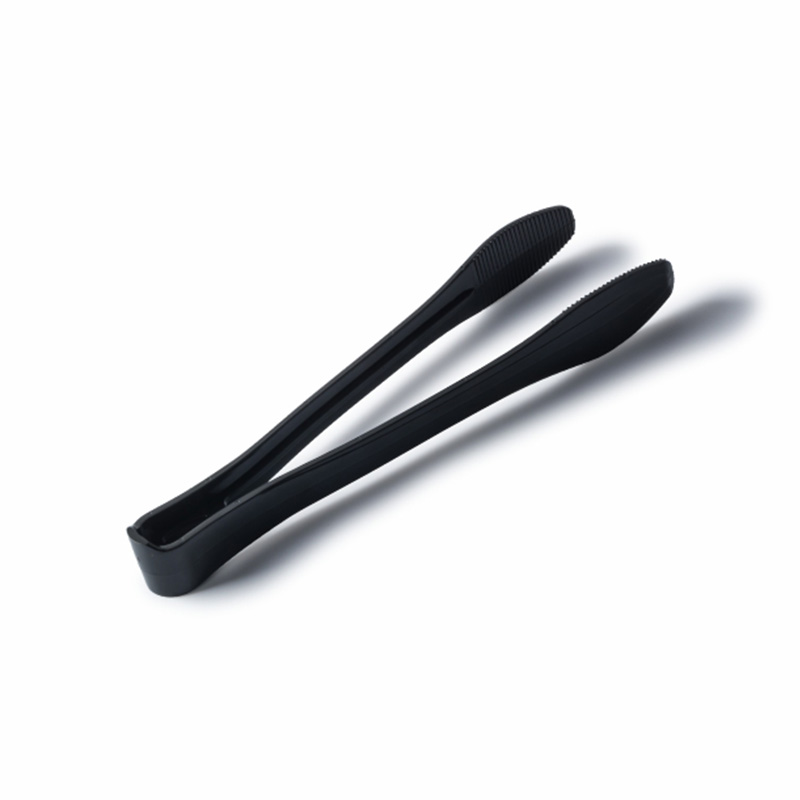
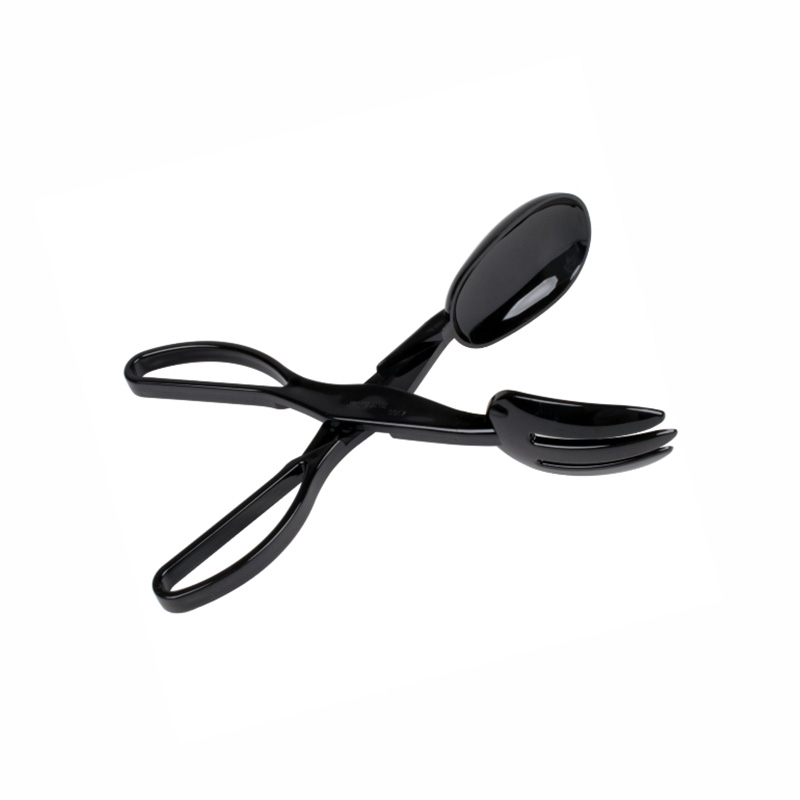
Serving Tongs
Serving tongs offer precise control and are essential for buffet lines, salad stations, or serving finger foods.
Types:
Scalloped tongs: Good grip for slippery or soft foods
Pointed tongs: Ideal for delicate handling and smaller portions
Uses: Bread rolls, pastries, salads, cold cuts, and more
Materials: Available in plastic, compostable materials, and wood alternatives
Salad Servers
Salad servers typically come as a two-piece set—a spoon and a fork—designed to toss and serve salads with ease.
Designs: Ergonomic handles, wide heads, or textured grips for better control
Uses: Perfect for leafy greens, pasta salads, and cold dishes
Materials: Found in all common disposable types, including bamboo for a natural look
Buffet Serving Utensils
For larger events and catering setups, buffet serving utensils often come in matched sets to coordinate with the overall table presentation.
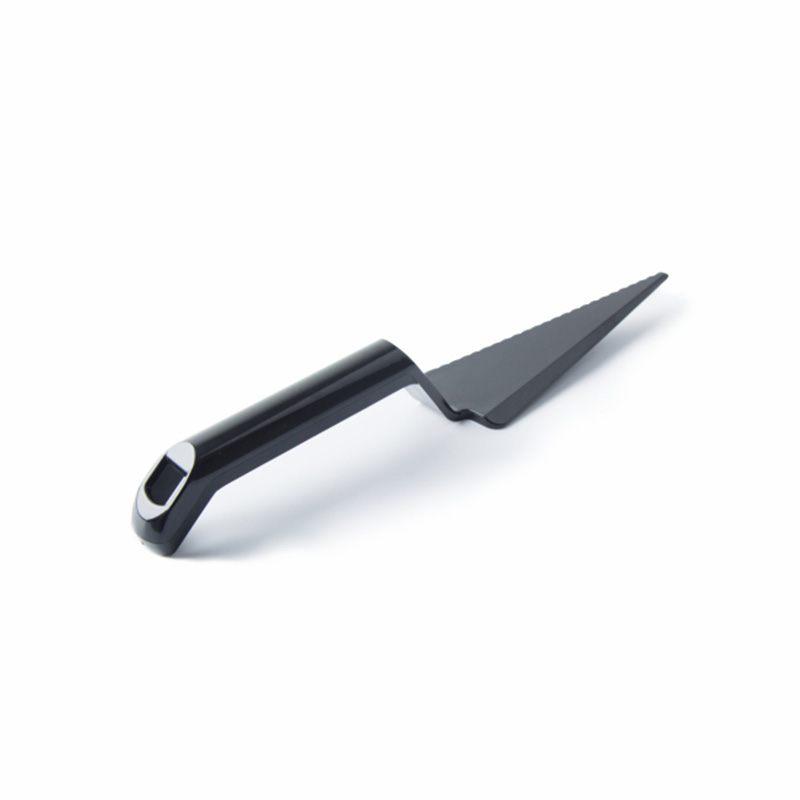
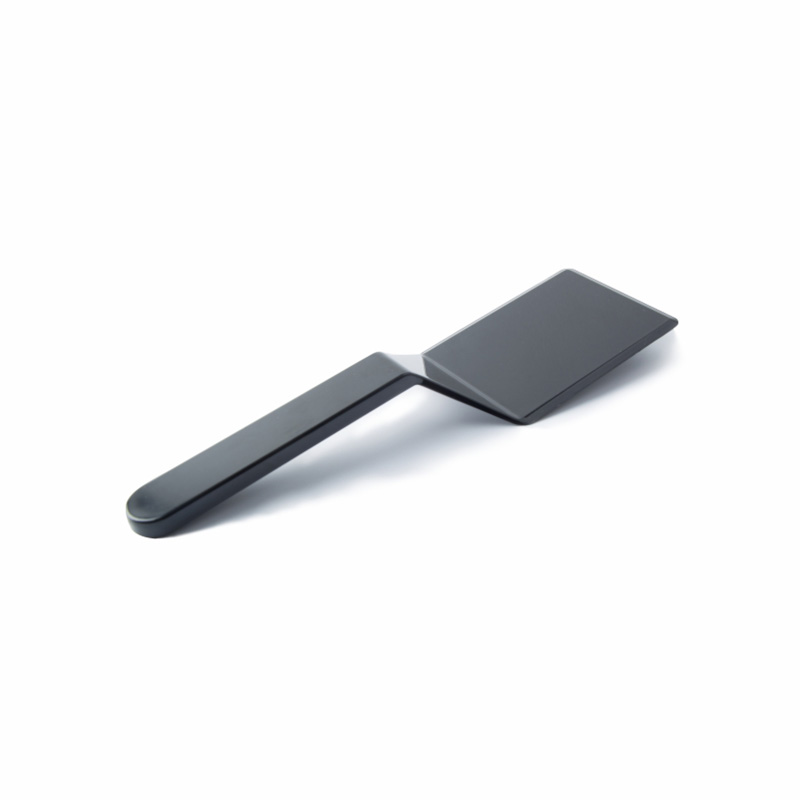
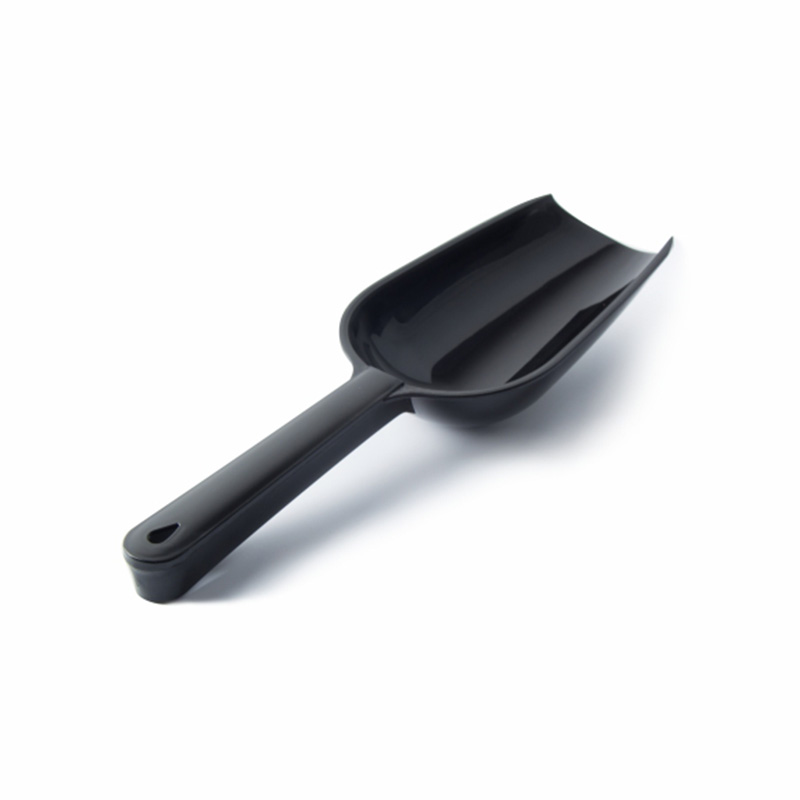
Includes: Spoons, forks, ladles, tongs, pie servers, and more
Design Options: Clear, black, metallic-finish plastic, or rustic wood styles
Uses: Designed to handle high-volume service while maintaining aesthetic appeal