 English
 中文簡(jiǎn)體
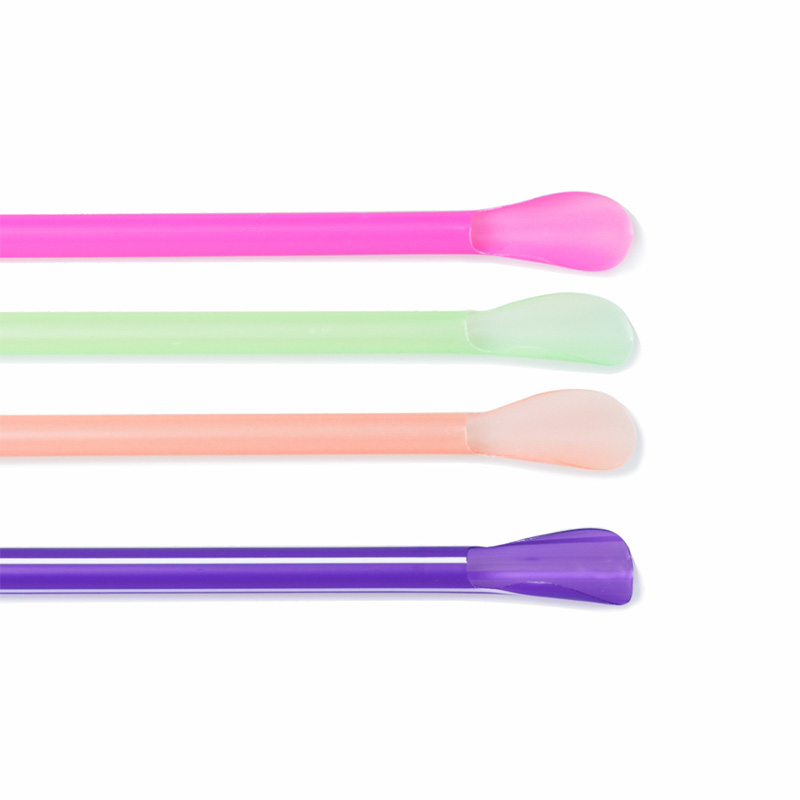
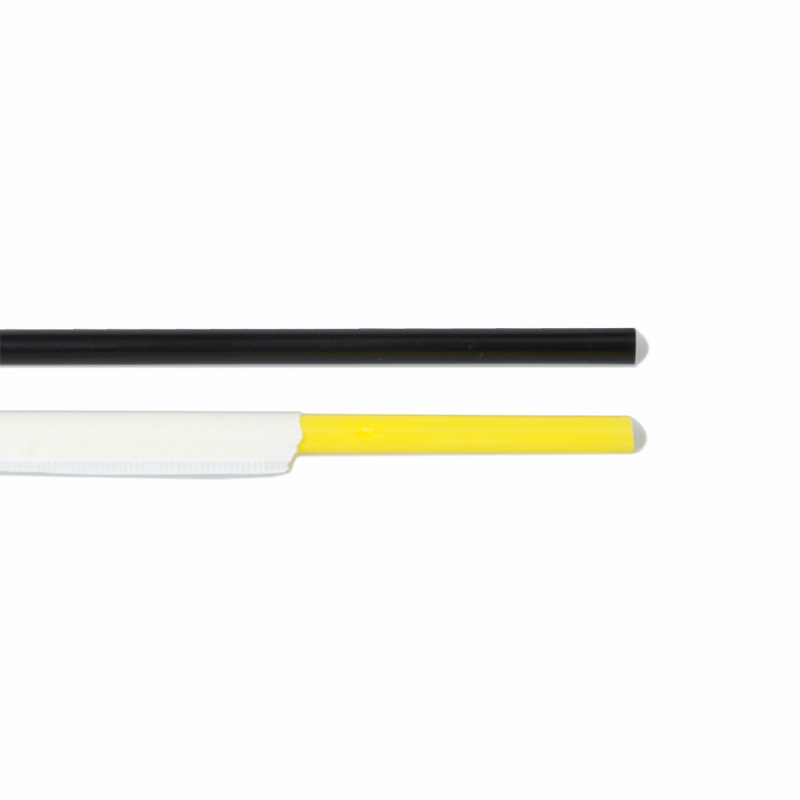
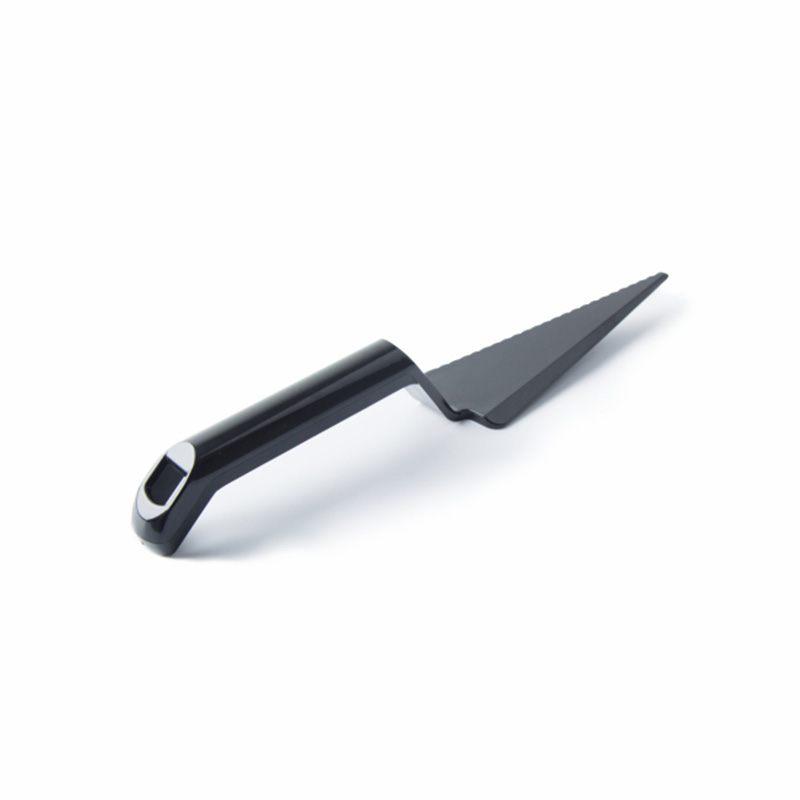
Plastic spoon straws are widely used in the beverage industry, including milk tea, ice cream, and juice products. Their convenience and low cost have contributed to massive consumption. However, the environmental impact of disposable plastic spoon straws has become a growing concern. Long degradation times and ecological hazards make them a critical focus for global environmental policies and regulations.
Material Characteristics and Degradation Time
Plastic spoon straws are commonly made from polypropylene (PP), polystyrene (PS), or polylactic acid (PLA). Conventional petrochemical plastics such as PP and PS have highly stable molecular structures that are resistant to microbial degradation. In natural environments, these plastics typically take 200 to 500 years to degrade. Factors such as ultraviolet light, temperature, humidity, and mechanical stress affect degradation, but even under sunlight exposure, plastics primarily undergo physical breakdown, forming microplastics rather than fully decomposing.
Biodegradable plastics such as PLA can degrade under specific conditions, requiring industrial composting facilities that provide high temperatures (around 58°C), humidity, and microbial activity. In natural environments, PLA degrades much more slowly, often taking 1 to 5 years or longer to fully decompose. In practical applications, PLA spoon straws in oceans, soil, or landfills degrade far slower than under controlled laboratory conditions.
Major Environmental Impacts
Plastic spoon straws create several environmental challenges. The most significant is marine pollution. Lightweight and buoyant, they can easily enter rivers and oceans, becoming a significant part of plastic waste. Marine animals such as turtles, fish, and seabirds may ingest plastic straws, causing digestive blockages, reduced nutrient absorption, and even death. Microplastics accumulate in the marine food chain, producing long-term ecological consequences.
Soil contamination is another concern. Disposed plastic spoon straws in landfills or soil degrade slowly, releasing microplastic particles. These microplastics can alter soil structure, affect water retention, and enter the food chain through soil organisms, potentially impacting crop growth and ecosystem stability.
Greenhouse gas emissions are also linked to plastic spoon straws. Production relies on petrochemical raw materials and consumes significant energy, generating carbon dioxide emissions. Disposal through landfills or incineration can produce methane, dioxins, and other harmful gases, affecting climate change and air quality.
Advantages and Limitations of Biodegradable Spoon Straws
Biodegradable plastics such as PLA can degrade into carbon dioxide, water, and biomass under industrial composting conditions, providing clear environmental benefits compared to conventional plastics. However, real-world limitations exist. Many cities lack industrial composting facilities, and biodegradable plastics degrade slowly in home or natural environments, still potentially generating microplastics. Additionally, the production of biodegradable plastics consumes land, water, and energy, meaning their environmental footprint is not negligible.
Recycling and Policy Trends
Recycling is an important strategy to reduce environmental pressure. Plastic spoon straws have low recycling rates due to their small size and mixture with other beverage packaging waste, making collection and sorting costly. Several countries and regions have implemented bans or restrictions on single-use plastic utensils and straws, encouraging businesses to adopt biodegradable or reusable alternatives. Circular economy initiatives also promote the development of recyclable, reusable, and environmentally friendly materials for spoon straws.